 TenMore
Published
A large review of screen-time research, and what to do with it.
A new review of the research says the kind of screen use, and a child’s age, matter more than one daily number. It also says the studies do not prove that screens cause the outcomes they measured.
What changed
On October 4, 2026, eClinicalMedicine, a Lancet journal, published an umbrella review of digital media research. The authors gathered 121 systematic reviews published from 2021 through 2025. Fifty-two of those reviews included a meta-analysis. Together they covered about 2,790 studies and more than 9 million children and young people, from birth to age 24.
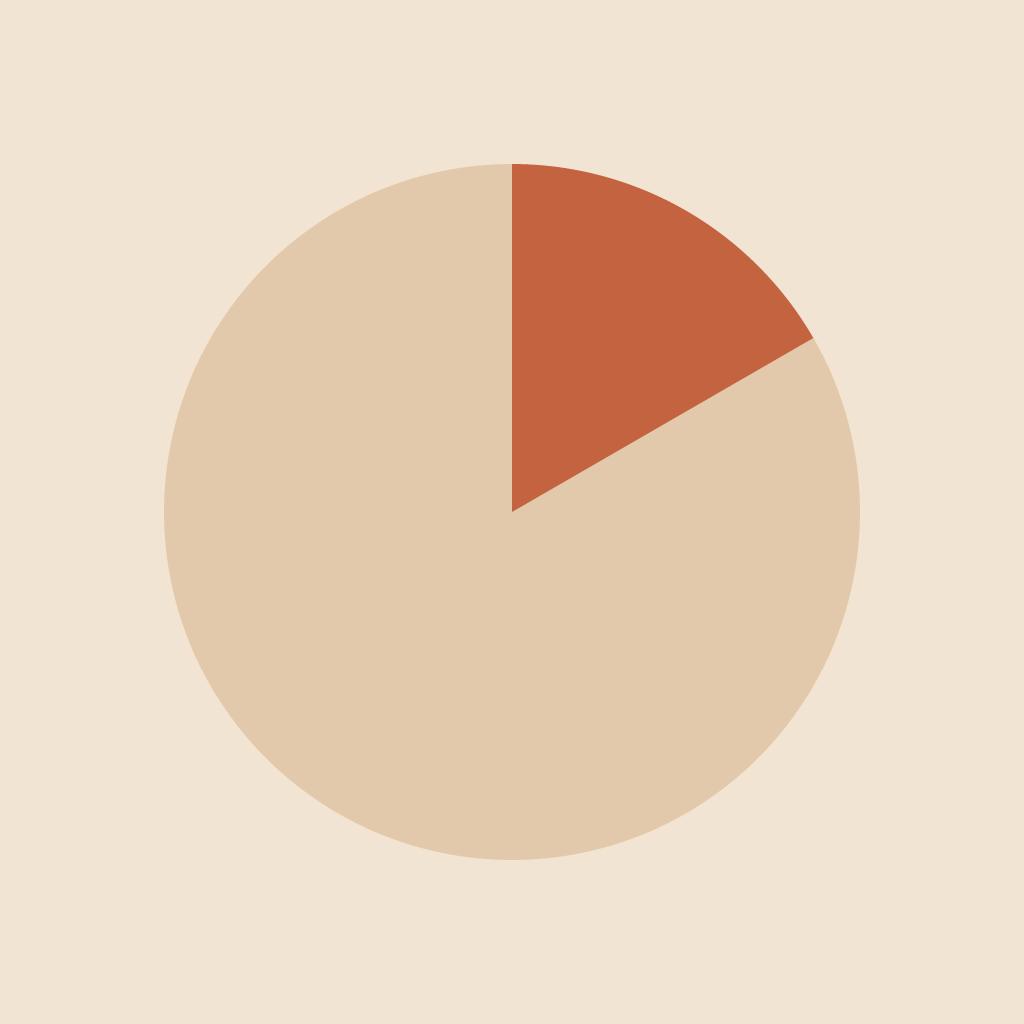
An umbrella review does not follow a new group of children. It summarizes reviews that already exist. The authors rated 86 of the 121 reviews as low or critically low quality, largely because most of the underlying studies observe families rather than assign screen use at random. Their interpretation says the findings should not be read as causal.
What the included reviews tended to report:
- From birth to about age 10, more overall screen time was associated with poorer socio-emotional and cognitive development and with shorter sleep. Educational content, and watching with a caregiver, was associated with better language and cognitive outcomes.
- From about age 10 to 24, problematic digital media use and social media use were associated with a range of outcomes, including more common mental health problems, lower quality of life, sleep problems, and less physical activity. Active video games and body-positive content were associated with higher well-being and more physical activity.
The direction was not the same for every kind of use. That is the part worth keeping.
What you can do
You do not need a new rule because a paper was published. Use it as a check on the plan you already have.
- For a younger child, look at the activity and whether you are nearby. The childhood findings associated educational content and co-viewing with better language and cognitive outcomes, and associated more overall screen time with shorter sleep. Our everyday habits start from the same place: protect sleep, meals, and time together, then decide where a screen fits.
- For an older child, notice the pattern. The adolescent evidence was stronger around problematic use and social media than around one daily total. Ask whether stopping is hard, and whether use is crowding out sleep, friends, or school.
- Keep one clear boundary. A short family agreement can say when screens are for, how you finish, and how a request for more time works. A timer can support that agreement. It cannot tell you whether the content is a good fit.
Source
- Associations of digital media use with health, behavioural and developmental outcomes in children and adolescentsPadmapriya and colleagues, eClinicalMedicine, published October 4, 2026. The full paper is the source for the counts, quality ratings, and associations above.